Table of contents
- What are highly processed foods?
- How can you identify ultra-processed foods?
- Why highly processed foods can be problematic
- The effects of highly processed foods on the gut flora
- Plant diversity for a healthy gut
- What does that mean for everyday life?
- Frequently Asked Questions about highly-processed foods (FAQ)
Ultra-Processed Foods (UPF) have become an indispensable part of everyday life for many people. Ready-made meals, snacks, soft drinks, and protein bars are convenient, readily available, and often inexpensive. However, a growing body of research indicates that these foods can have a negative impact on our health. They are associated with an increased risk of obesity, diabetes, cardiovascular disease, liver damage, bowel diseases, and cancer, among other things. Their influence on our gut microbiome (gut flora) plays a key role in this (1,2).
In this blog post, you’ll learn what is actually meant by ultra-processed foods, why it’s best to limit them, and what to look out for when grocery shopping.
What are highly processed foods?
Most of the food we eat every day is processed in some way. This isn't inherently bad – cooking, freezing, and fermenting are all processing steps. These processes extend shelf life, save time in our daily routines, and make it possible to benefit from a wide range of foods even outside their season and local supply. Fermentation (and sometimes cooking) can also positively impact nutrient availability and digestibility. Furthermore, many foods only become edible through simple processing steps – potatoes, for example.
What matters far more is the degree of processing – in other words, how much the final product differs from the original food. The so-called NOVA classification is commonly used to evaluate this (3):
1. Unprocessed or minimally processed foods
-
- Completely natural foods and basic processing steps that mainly serve to simplify handling, ensure food safety and preserve food - such as grinding, cooking, pasteurizing, freezing or vacuum packing.
- No added sugar, fat, salt or other substances.
- Examples: vegetables (fresh or frozen), fruit, grains, nuts, legumes, meat, fish, eggs, natural yogurt, spices, tea, coffee, …
2. Processed culinary ingredients
-
- Products made from natural foods, for example by pressing, filtering or cleaning. They are used in cooking and preparing food, such as for seasoning or frying.
- Some of these products contain small amounts of additives to ensure shelf life.
- Examples: Vegetable oils, butter, sugar, (iodized) salt, honey, starch
3. Processed foods
-
- Combinations of the first and second categories – for example, when salt, oil or sugar is added to unprocessed foods.
- Examples: cheese, tofu, pickles, freshly baked bread, salted nuts, canned fish, …
4. Ultra-processed foods (UPF)
-
- Products that have undergone extensive industrial modification, including multiple processing steps that would not be common or possible in a normal kitchen.
- They often contain large amounts of sugar, salt and refined fats, isolated ingredients such as protein isolates and artificial additives such as colorings, flavourings, stabilizers, emulsifiers, thickeners, sweeteners or flavour enhancers.
- The goal: To create particularly tasty and profitable products at the same time - with inexpensive ingredients and a long shelf life.
- Examples: Cookies, gummy bears, chips, fast food, ready meals such as frozen pizza, convenience products, soft drinks, energy drinks, bars, spreads, margarine, many breakfast cereals, instant soups, special diet products, meal replacement shakes, packaged bread rolls, toast, sausages, …
- They usually provide many calories , but few valuable nutrients or fibre.
Note: This classification can be helpful for general guidance; however, it does not take the nutritional quality into account. This means that within each category there are also healthier and less healthy foods. Furthermore, it's important to remember: The quantity is what matters.

Highly processed foods are designed to strongly stimulate the brain’s reward centre. As a result, we are more likely to crave more and often eat beyond our actual hunger.
How can you identify ultra-processed foods?
UPF can often be identified simply by looking at the packaging:
- Very long ingredient lists – especially with complicated or artificial-sounding names.
- Ingredients that you wouldn't use in your own kitchen - for example, isolated protein, modified starch, or special syrups.
- Many additives such as flavourings, emulsifiers, colourings, sweeteners or thickeners.
- Hidden sources of sugar such as maltodextrin, glucose syrup, fructose syrup or dextrose.
- “Hydrogenated vegetable fats” indicate the presence of harmful trans fats.
- Statements such as "extra creamy", "low fat", "light" or "with extra protein" may indicate that the taste or texture has been heavily optimized industrially.
Why highly processed foods can be problematic
Problems arise particularly when highly processed foods and quick convenience meals regularly replace fresh foods and home-cooked meals. This often leads to the loss of important components of a healthy diet – especially fibre, vitamins, and secondary plant compounds such as polyphenols.
Ultra-processed products often contain a lot of calories but few filling, nutritious components. In addition, many of these foods are designed to taste especially appealing. Because of their high energy density and the carefully optimised combination of sugar, fat and salt, we often eat more than we actually need. Their soft, highly processed texture also makes them easy to eat quickly and reduces the body’s natural feeling of fullness. Over time, these factors – together with the high sugar, fat and salt content – can promote unhealthy weight gain and increase the risk of cardiovascular disease.
Another important aspect is the additives they contain. Although they are subject to strict legal safety assessments, scientific evidence is accumulating that certain additives may negatively affect the gut microbiome, especially when consumed regularly and in high amounts. In addition, ultra-processed foods can expose us to other potentially problematic substances, such as residues from packaging materials or compounds formed during industrial processing. However, further studies are still needed to fully understand these potential effects (1).
As with most things, it’s all about moderation. Ready-made foods aren’t off-limits, but they shouldn’t be on your plate every day.

"You are what you eat." Preparing your own meals with fresh ingredients doesn't have to be complicated or time-consuming – it's an investment in your health and saves you money in the long run.
The effects of highly processed foods on the gut flora
A significant reason for the negative health effects of HPF is their influence on the gut microbiome (1,4,5).
The gut microbiome refers to the entirety of all microorganisms in the gut – primarily bacteria. These tiny helpers support digestion, play an important role in the immune system, influence our well-being via the gut-brain axis, and have an impact on all organ systems in our body. Diet and lifestyle significantly determine how well our gut bacteria can support our health.
1. Less good food for beneficial gut bacteria
Many highly processed foods contain hardly any fibre and only a few secondary plant compounds. These are precisely the nutrients our gut bacteria need. Without them, our beneficial gut inhabitants can no longer perform their important functions as effectively, and potentially harmful microorganisms can proliferate. This is also known as dysbiosis – an imbalance in the microbiome. You can learn more about this in this blog article: Microbiome Knowledge: How to Boost Diversity and Prevent Dysbiosis
2. Too much sugar, fat, salt and additives
Sugar feeds potentially harmful gut bacteria, can disrupt the diversity and balance of the microbiome, and promote inflammation – as can very high amounts of salt. Additives such as emulsifiers or sweeteners are not yet as well researched, but there is growing evidence that they can alter the composition of the gut flora and weaken the protective function of the intestinal barrier.
3. Weakened intestinal barrier
Certain gut bacteria produce substances that strengthen the intestinal lining (an important protective barrier) and inhibit inflammation. When these bacteria are absent or less active (for example due to unfavourable dietary habits), the intestinal barrier becomes more permeable, allowing harmful substances to pass from the gut into the body. This is known as leaky gut syndrome. If you'd like to learn more about this topic, have a look at this blog post: Leaky Gut: When the Intestinal Barrier Becomes Permeable
Plant diversity for a healthy gut
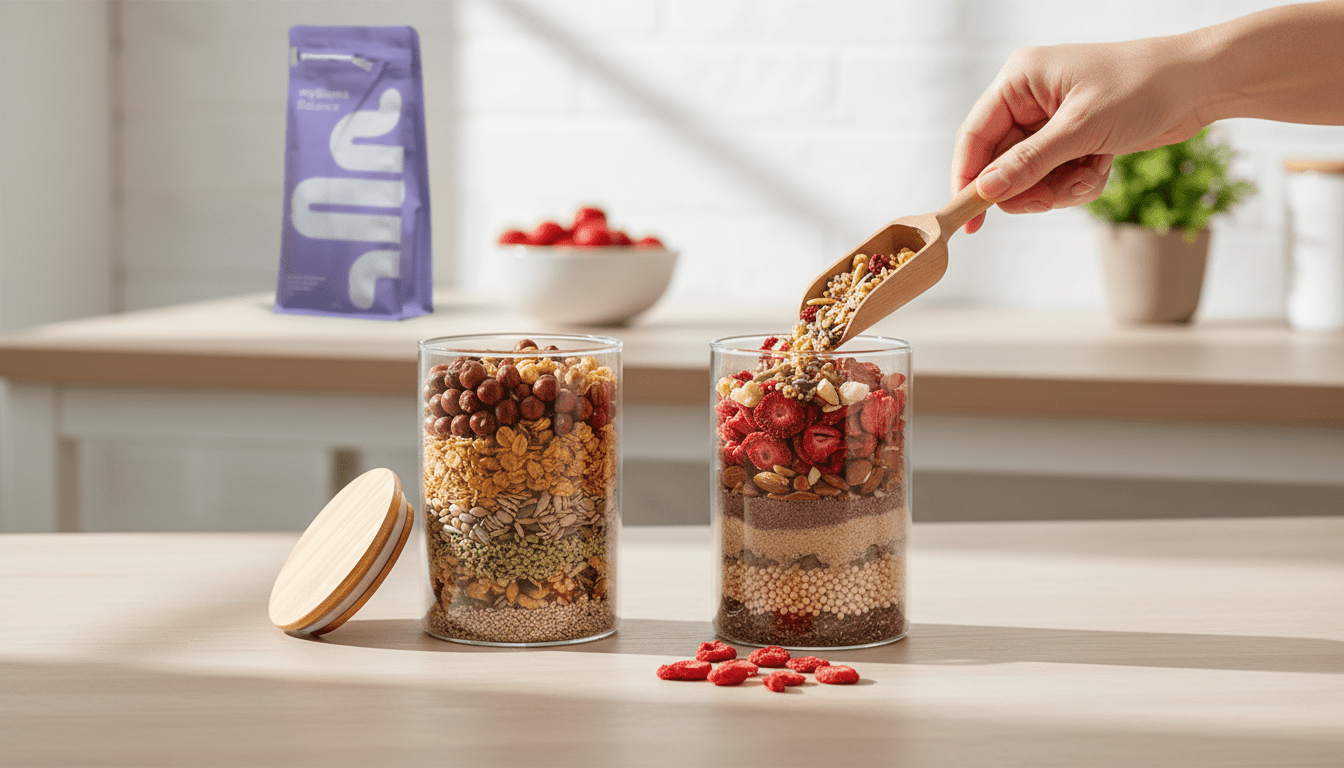
The more varied and balanced our diet is, the more diverse our microbiome will be. This is especially true when we eat a colourful variety of plant-based foods such as vegetables, fruits, whole grains, legumes, seeds, and nuts. These provide us with essential nutrients, fibre, and secondary plant compounds like polyphenols.
Do you want to find out how healthy your microbiome is and how the composition of your gut bacteria can affect your immune system, skin health, or body weight? Then order one of our myBioma microbiome tests directly to your home and discover easily how you can improve your gut health.
What does that mean for everyday life?
The foundation for a sustainably healthy diet does not consist of strict prohibitions, but rather smart choices in everyday life.
Gut-friendly principles:
- Cook for yourself as often as possible – that way you know exactly what's going into your body. Meal prepping can be very helpful in a stressful work environment.
- Integrate plant-based foods into every meal – especially vegetables, fruits, whole grains, and legumes such as lentils, beans, or chickpeas. This will ensure you get enough fibre to strengthen your microbiome.
- Check the packaging and prefer short, easy-to-understand ingredient lists.
- Pre-packaged foods and ready-made meals should be considered an exception.
Want to know more about how to strengthen your microbiome? Check out this article: 5 steps to a healthy gut microbiome
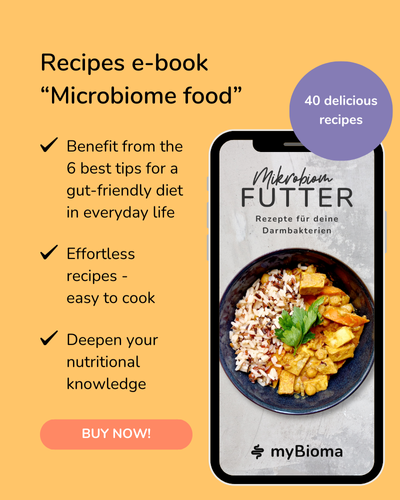
Tip: If you need inspiration for simple, gut-friendly recipes and want to deepen your knowledge about food and gut health? Then get our popular recipe e-book "Microbiome Food!"
Conclusion
Highly processed foods can not only contribute to weight gain, but also disrupt the delicate balance in the gut and impair our overall health. This is due, among other things, to their high content of sugar, unhealthy fats and additives, their low fibre and nutrient content, and their influence on our eating habits.
In contrast, a diet consisting mainly of natural or minimally processed foods supports a diverse and stable gut microbiome – and thus contributes to our overall health in the long term.
Frequently Asked Questions about highly-processed foods (FAQ)
What are UPF?
Ultra-processed foods are industrially manufactured products that have been significantly altered from their original form. They often contain high levels of sugar, fat, salt, and additives such as flavourings, sweeteners, preservatives, or emulsifiers. Examples include ready meals, sweets, soft drinks, and many snacks.
Are ultra-processed foods inherently unhealthy?
The problem isn't individual products, but regular consumption. Eating ultra-processed foods several times a week and replacing fresh, fibre-rich meals can negatively impact your health.
Why are ultra-processed foods considered problematic for the gut?
Many highly processed foods contain little fibre, which is important for a healthy gut flora. At the same time, they provide a lot of sugar, fat, and additives that can disrupt the balance of gut bacteria and impair the intestinal barrier.
Which additives are suspected of influencing the microbiome?
Studies suggest that certain emulsifiers, sweeteners, and thickeners can alter the composition of the gut microbiota. Research in this area is ongoing, but evidence of potential effects is increasing.
Do labels like "vegan", "high protein", "free-from" or "light" indicate a healthier choice?
Not necessarily – it’s best to check the ingredient list. These products can still contain numerous additives, sweeteners, or unhealthy fats.
References
- Monteiro CA, Louzada ML, Steele-Martinez E, Cannon G, Andrade GC, Baker P, et al. Ultra-processed foods and human health: the main thesis and the evidence. The Lancet. December 6, 2025;406(10520):2667–84.
- Wang C, Du M, Kim H, Nguyen LH, Wang QL, Drew DA, et al. Ultraprocessed Food Consumption and Risk of Early-Onset Colorectal Cancer Precursors Among Women. JAMA Oncol. November 13, 2025
- Monteiro CA, Cannon G, Lawrence M, Costa Louzada ML, Pereira Machado P. Ultra-processed foods, diet quality, and health using the NOVA classification system. Rome: FAO; 2019.
- Cronin P, Joyce SA, O'Toole PW, O'Connor EM. Dietary Fiber Modulates the Gut Microbiota. Nutrients. May 2021;13(5):1655.
- Whelan K, Bancil AS, Lindsay JO, Chassaing B. Ultra-processed foods and food additives in gut health and disease. Nat Rev Gastroenterol Hepatol. June 2024;21(6):406–27.