Creamy, savory, and incredibly nutritious: This dish with miso and butter beans is a perfect example of how simple meals can not only taste delicious but also effectively support gut health – thanks to fibre-rich legumes and fermented miso paste. The recipe is completely free of animal products and is therefore ideal for people with lactose intolerance or a vegan lifestyle.
A gut-loving recipe full of nourishing ingredients
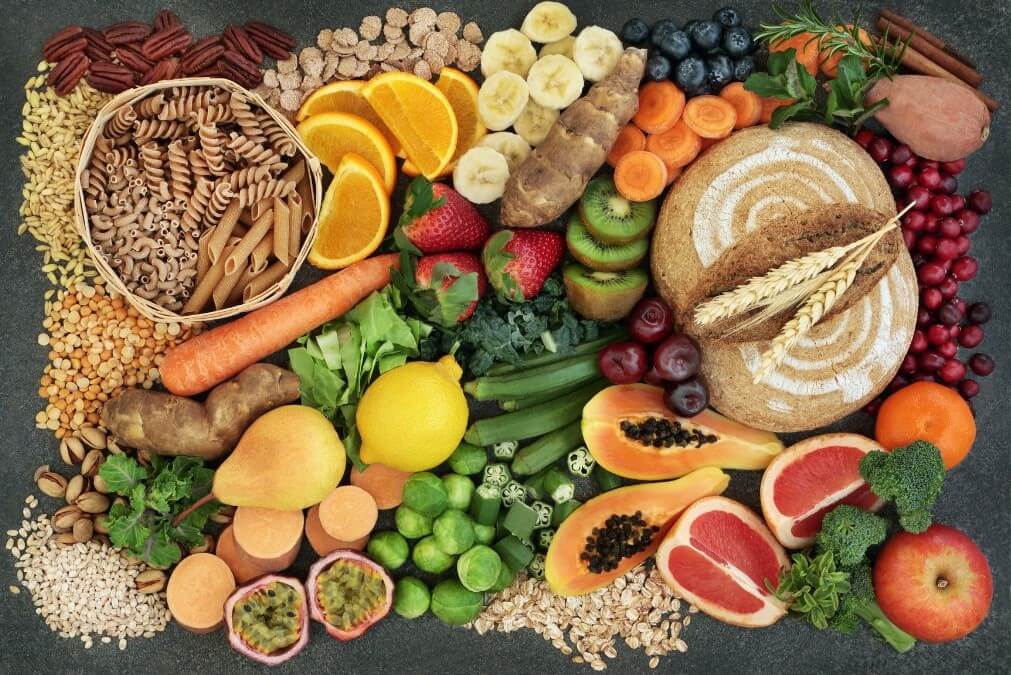
Our gut thrives on plant diversity – especially when those plants are rich in prebiotic fibre, the favourite food of our gut bacteria. This recipe is packed with exactly that: garlic, leeks, beans, mushrooms and kale help support a diverse and stable microbial community.
Before we start cooking, we’ll take a closer look at the two star ingredients of this recipe – miso paste and butter beans.
Miso: The Japanese umami secret for a healthy gut
Miso is a traditional Japanese seasoning paste that owes its distinctive flavour and potential health benefits to a small but powerful helper: koji. Koji is rice or barley fermented with a specific mould (Aspergillus oryzae). During fermentation, not only does miso develop its characteristic savoury umami taste, but a range of bioactive compounds and enzymes are formed that may support digestion (1,2).
Beans: Valuable fibre for your microbiome and a plant-based protein source
Butter beans (also called lima beans), like all other legumes, not only provide long-lasting satiety but also support our gut flora. They are rich in prebiotic fibre, which is fermented by bacteria in the large intestine. This process produces valuable short-chain fatty acids such as butyrate, propionate, and acetate, which strengthen the intestinal lining, have anti-inflammatory effects, and help maintain stable blood sugar levels. At the same time, beans provide plant-based protein, complex carbohydrates, and important micronutrients such as magnesium, potassium, calcium, and folic acid, as well as secondary plant compounds that support our heart, nervous system, immune system, and metabolism. A daily serving of legumes is considered a significant and often underestimated way to promote health through diet (3,4).
Enough theory - now let's get cooking!

From these ingredients we conjure up a wonderfully creamy and nutritious dish: miso butter beans with crispy kale chips.
Ingredients
- 30 g cashews
- Olive oil
- 1 large leek
- 200 g brown mushrooms
- 1.5 tsp light miso paste
- 1.5 tsp soy sauce
- 300 ml unsweetened soy drink
- 2 tsp lemon juice
- 3 cloves of garlic
- 480 g butter beans, cooked
- Kale
Preparation
- Soak the cashews in hot water for 20-30 minutes, then drain and set aside.
- Meanwhile, in a large pan over medium heat, add olive oil, leeks, and mushrooms. Sauté for about 8 minutes, stirring regularly.
- Place the soaked cashews, miso paste, soy sauce, soy drink and lemon juice into a blender and blend to a smooth sauce.
- Back to the vegetable pan: Push the leeks and mushrooms to one side and fry the garlic for about a minute until it smells fragrant.
- Add the butter beans and sauce, stir well and simmer for about 5 minutes.
- Wash the kale and tear it into small pieces. Brush with olive oil and bake in an air fryer or oven until crispy.
- Spoon the butter bean dish into shallow bowls, top with kale chips, and serve alongside toasted bread.
Enjoy your meal! 💚
Tip: Like all fermented foods, miso contains live probiotic bacteria that can enrich your gut microbiome. However, these microorganisms are sensitive to heat and become inactive during cooking. If you want to enjoy not just the bioactive compounds, enzymes, and minerals, but also the probiotic benefits, simply stir the miso paste in after cooking.
How to make legumes easier to digest
Beans contain certain carbohydrates (oligosaccharides) that our small intestine cannot digest. Once in the large intestine, they are fermented by bacteria – producing not only the aforementioned beneficial substances but also gases that can lead to bloating and abdominal pressure. So how can you benefit from the many advantages without the unpleasant side effects? A few simple tips can improve digestability:
- Soak dry beans overnight and cook slowly (discard the soaking water).
- Rinse precooked beans from a can or jar thoroughly.
- Cook with digestive spices such as cumin.
- Eat regularly so that the microbiome can adapt. Important: start with small portions and increase the amount gradually.
Caution: People with irritable bowel syndrome (IBS), leaky gut syndrome, or intestinal inflammation may need to limit fermented foods and legumes such as beans. Tolerance can vary individually.
Want even more gut-friendly recipes, clear and reliable nutritional tips, and easy ways to make your own ferments? Then we highly recommend our lovingly crafted e-book "Microbiome Food".

References
- Kusumoto KI, Yamagata Y, Tazawa R, Kitagawa M, Kato T, Isobe K, et al. Japanese Traditional Miso and Koji Making. Journal of Fungi. July 2021;7(7):579.
- Şanlier N, Gökcen BB, Sezgin AC. Health benefits of fermented foods. Crit Rev Food Sci Nutr. 2019;59(3):506–27.
- Dimopoulou M, Vareltzis P, Gortzi O, Dimopoulou M, Vareltzis P, Gortzi O. A Systematic Review of the Twelve Most Popular Bean Varieties, Highlighting Their Potential as Functional Foods Based on the Health Benefits Derived from Their Nutritional Profiles, Focused on Non-Communicable Diseases. Applied Sciences. November 7, 2024;14(22).
- Kadyan S, Sharma A, Arjmandi BH, Singh P, Nagpal R. Prebiotic Potential of Dietary Beans and Pulses and Their Resistant Starch for Aging-Associated Gut and Metabolic Health. Nutrients. April 21, 2022;14(9):1726.