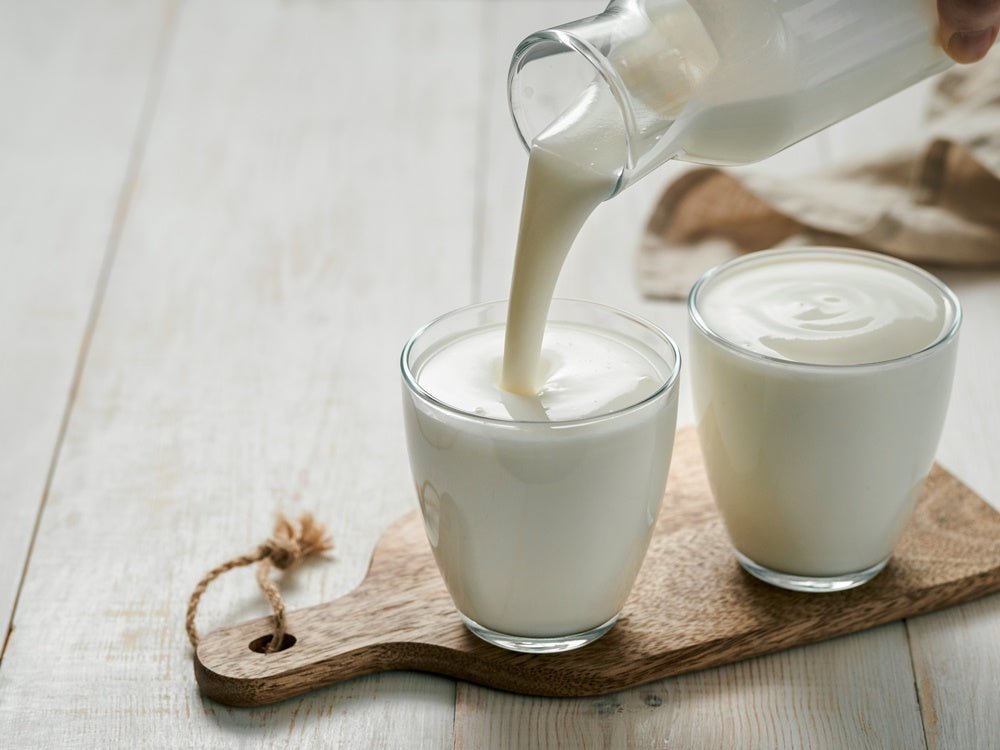
While we tend to approach food trends with a healthy dose of scepticism, this one completely won us over. We've given the viral Coconut Cult an upgrade and let our premium probiotic myBioma Comfort take center stage. The probiotic bacteria transform natural coconut milk and coconut blossom sugar into a delicious yoghurt within 48 hours. In this blog article, you'll learn just how easy it is to make this ferment at home – and why it's so good for your gut. 🥥✨
What is Coconut Cult all about?
Coconut Cult is a US-based brand known for its coconut-based, probiotic-rich yoghurt – packed with live cultures and 100% plant-based. It's ideal not only for vegans and those with lactose intolerance, but for anyone looking to support their gut health. What makes ferments like this so special is that, through the fermentation process, valuable lactic acid bacteria multiply and can positively influence our gut microbiome.
How to easily ferment your own coconut yoghurt – with myBioma Comfort
You’ll only need a few ingredients and a little patience to create your very own Coconut Cult-inspired yoghurt, bursting with probiotic goodness.
Ingredients:
- 400 ml organic coconut milk
- 2 tsp coconut blossom sugar (as food for the bacteria)
- 1 sachet myBioma Comfort
Instructions:
- Pour the coconut milk into a sterilised screw-top jar and mix in the coconut blossom sugar and the myBioma Comfort powder.
- Place the lid loosely on the jar, but don't screw it on completely. Let the jar stand at room temperature for 24 hours.
- Then screw the lid on tightly and refrigerate for another 24 hours.
- Enjoy daily – either plain or with berries, fruits, or cacao. Your gut bacteria will love this treat!
Note: Your stomach may react sensitively to Coconut Cult at first because your microbiome needs to adjust to the new bacteria. To start gently, we recommend beginning with just one tablespoon per day.

Tips for enjoying Coconut Cult
Coconut Cult can be integrated into your diet in many ways. You can combine it with fresh fruit, nuts, seeds, or muesli, or use it as a base for smoothie bowls. It can also be turned into a creamy dip, dressing, or spread. If you enjoy baking, Coconut Cult can be incorporated into muffins or pancakes. However, keep in mind that heating will kill the lactobacilli, so you won’t benefit from all of its probiotic properties.
Why is Coconut Cult with myBioma Comfort so healthy?
The most important health benefits at a glance:
1. Valuable fatty acids for brain, heart & metabolism
Coconut milk is one of the few plant-based foods that contains predominantly saturated fatty acids, often considered "bad" fats. However, the saturated fats of coconut are primarily medium-chain triglycerides (MCTs). Several studies suggest that MCTs may have positive effects on heart health, brain function, metabolism, insulin sensitivity, and possess anti-inflammatory properties (1). This also makes Coconut Cult an excellent choice for fans of the ketogenic diet.
Nevertheless, due to its high calorie and fat content, coconut milk should be consumed in moderation.
2. Important micronutrients in coconut milk
Coconut milk is rich in magnesium, iron, copper, manganese, and B vitamins (1). However, like other plant-based milk alternatives, it contains significantly less calcium than cow's milk. To ensure adequate calcium intake, it's important to include other calcium-rich foods in your diet, such as leafy green vegetables, sesame seeds, almonds, and legumes.
3. Probiotic boost for gut health
The Lactobacillus plantarum 299v strain contained in myBioma Comfort has been shown to have significant positive effects on gut health, as evidenced by numerous human studies. Key benefits include:
- Supporting a healthy intestinal mucosa, which is a very important protective barrier and houses most of our immune cells (2,3).
- Helping alleviate gastrointestinal symptoms such as bloating, abdominal pain, diarrhea, or constipation. It is one of the best-studied probiotic bacterial strains, including in studies with people who have irritable bowel syndrome (IBS) (4–6).


If you want to learn more about probiotics, we'd recommend reading this blog post: Prebiotics and probiotics – can they really affect our health?
4. Fermented – for better digestibility and nutrient absorption
Fermentation involves bacteria breaking down certain carbohydrates, releasing valuable vitamins, minerals, and bioactive substances – transforming milk into yoghurt. This process also improves the product’s shelf life, digestibility, and taste. Furthermore, as the bacteria multiply during fermentation, many living microorganisms reach the gut, where they help strengthen the microbiome and support digestion and the immune system (7).
5. Naturally lactose-free
Coconut milk is naturally free from lactose, making it an excellent alternative for individuals with lactose intolerance or anyone avoiding dairy products.
How does Coconut Cult differ from other (probiotic) yoghurts?
While all yoghurts contain bacterial starter cultures, only those that are specifically enriched with probiotic strains—and in amounts sufficient to survive—can truly be called probiotic. Many commercial yoghurts are pasteurised or stored for long periods, which kills the beneficial bacteria and diminishes their probiotic effects. By making Coconut Cult at home with myBioma Comfort, you can deliberately incorporate the globally well-studied strain Lactobacillus plantarum 299v into your diet.
Many store-bought probiotic yoghurts also contain more added sugar, stabilisers, or artificial flavours.
The only trade-off? Conventional cow’s milk yoghurts typically provide more protein and calcium. Coconut Cult isn’t a replacement for a balanced diet, but it’s a gut-friendly delight and a fantastic option for vegans or anyone with lactose intolerance.
Have you tried it yet?
Let us know in the comments if the Coconut Cult preparation worked for you, and how you like to enjoy your coconut yoghurt. 😋
Want to be the first to hear about product news, get exclusive discounts, recipes and more? Join our HAPPY GUT CLUB on WhatsApp now: myBioma Happy Gut Club
For you. For your gut.


Frequently asked questions
How do I make coconut yoghurt at home?
Pour the coconut milk into a screw-top jar that you have sterilised in boiling water, then mix in the coconut blossom sugar and the powder from one sachet of myBioma Comfort. Rest the lid loosely on top and leave the jar at room temperature for 24 hours. Then screw the lid on and put the jar in the fridge for another 24 hours.
Why do you add coconut blossom sugar to coconut yoghurt?
The coconut blossom sugar is food for the bacteria. The probiotic bacteria turn the coconut milk and coconut blossom sugar into a creamy yoghurt. The recipe uses 2 teaspoons for 400 ml of coconut milk.
How much Coconut Cult should I eat at the start?
It is best to start with just one tablespoon a day. Your stomach may be sensitive at first, because your microbiome needs to get used to the new bacteria. You can eat the yoghurt on its own or add berries, fruit or cocoa.
Can you bake or cook with Coconut Cult?
Yes, you can work it into muffins or pancakes, for example. Heating kills the lactobacilli, though. You then no longer benefit from all of its probiotic properties. Unheated, it goes well with fruit, nuts, seeds or muesli, in smoothie bowls, or as a dip, dressing or spread.
Is coconut yoghurt lactose-free and vegan?
Yes. Coconut milk contains no lactose and the yoghurt is fully plant-based. That makes it an option for people with lactose intolerance and for anyone who eats vegan or wants to avoid dairy products.
What is the difference between coconut yoghurt and cow's milk yoghurt?
Conventional yoghurts made from cow's milk contain more protein and calcium. Coconut milk has much less calcium than cow's milk, so make sure you eat other calcium-rich foods such as leafy greens, sesame, almonds and pulses. Because coconut milk is high in calories and fat, enjoy it in moderation. Coconut yoghurt does not replace a balanced diet.
References
- Gengan G, Mohd Zaini NS, Saari N, Meor Hussin AS, Jaafar A, Hasan H, et al. Nutritional and therapeutic benefits of coconut milk and its potential as a plant-based functional yogurt alternative: a review. Food Science and Human Wellness. February 1, 2024;14. https://doi.org/10.26599/fshw.2024.9250004
- Mack DR, Ahrne S, Hyde L, Wei S, Hollingsworth MA. Extracellular MUC3 mucin secretion follows adherence of Lactobacillus strains to intestinal epithelial cells in vitro. Good. June 2003;52(6):827–33. https://doi.org/10.1136/gut.52.6.827
- Mangell P, Lennernäs P, Wang M, Olsson C, Ahrné S, Molin G, et al. Adhesive capability of Lactobacillus plantarum 299v is important for preventing bacterial translocation in endotoxemic rats. APMIS. September 2006;114(9):611–8. https://doi.org/10.1111/j.1600-0463.2006.apm_369.x
- Ducrotté P, Sawant P, Jayanthi V. Clinical trial: Lactobacillus plantarum 299v (DSM 9843) improves symptoms of irritable bowel syndrome. World J Gastroenterol. August 14, 2012;18(30):4012–8. https://doi.org/10.3748/wjg.v18.i30.4012
- Krammer H, Storr M, Madisch A, Riffel J. Irritable bowel syndrome treatment with Lactobacillus plantarum 299v: Longer use increases treatment success – results of a non-interventional study. Z Gastroenterol. February 2021;59(2):125–34. https://doi.org/10.1055/a-1340-0204
- Niedzielin K, Kordecki H, Birkenfeld B. A controlled, double-blind, randomized study on the efficacy of Lactobacillus plantarum 299V in patients with irritable bowel syndrome. Eur J Gastroenterol Hepatol. October 2001;13(10):1143–7. https://doi.org/10.1097/00042737-200110000-00004
- Şanlier N, Gökcen BB, Sezgin AC. Health benefits of fermented foods. Crit Rev Food Sci Nutr. 2019;59(3):506–27. https://doi.org/10.1080/10408398.2017.1383355